Home > Services > Gum Disease Treatment > Gingivectomy
When overgrown or infected gum tissue traps bacteria and makes cleaning impossible, a gingivectomy offers a clear solution. We carefully remove and reshape unhealthy gums to protect your underlying bone and make your daily brushing effective again.
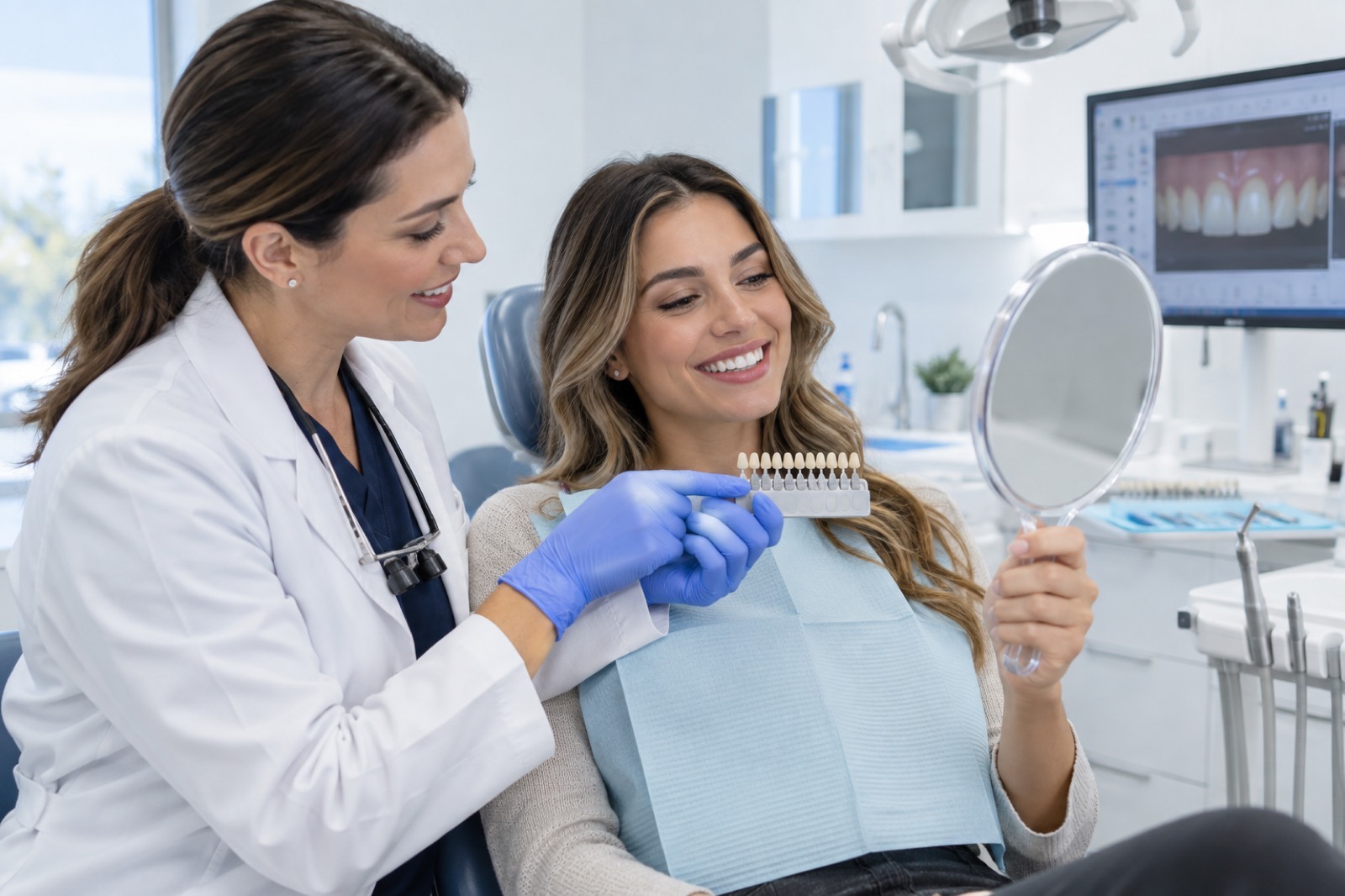
A gingivectomy is a minor surgical procedure that removes excess or diseased gum tissue to restore your oral health. Whether addressing persistent gum disease or overgrown tissue that interferes with your daily hygiene, reshaping your gums makes your smile significantly easier to maintain. We help you by:
Purpose | How It Helps | Common Scenarios |
|---|---|---|
Disease Control | Reduces the deep pockets where tartar and bacteria collect | Advanced periodontal disease that remains active after scaling and root planing |
Tissue Overgrowth | Removes excess tissue that covers the teeth and bleeds easily | Gum overgrowth caused by braces, genetics, or specific medications |
Aesthetics and Access | Lowers the gumline for a balanced smile or restorative work | Correcting a gummy smile or exposing healthy tooth structure for a crown |

We examine your gums and take precise measurements to pinpoint exactly which areas of tissue are trapping bacteria and need to be removed.

We apply a strong topical numbing gel followed by local anesthesia, and we check that the area is fully numb before we begin.

Using specialized instruments, we carefully trim away the targeted, unhealthy gum tissue and beautifully reshape the remaining healthy gumline.

The reshaped gum tissue heals cleanly within a few weeks. We provide you with clear, simple instructions for home care to ensure a smooth recovery.
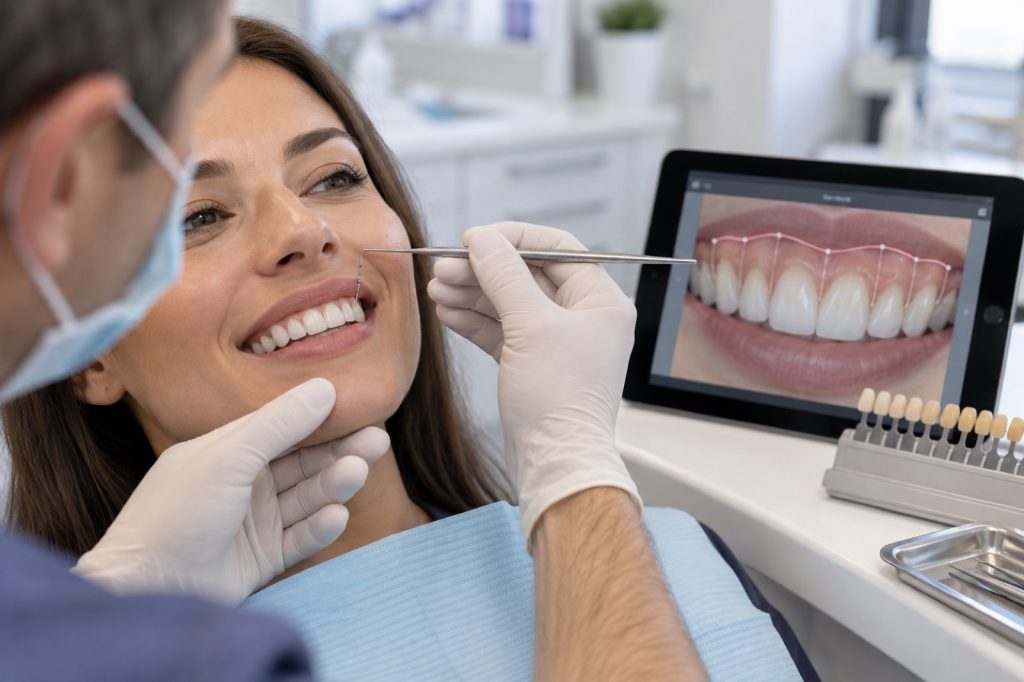
When Dr. Mohammad Hammoud performs a gingivectomy, he removes only the tissue that has to go. He plans the new gumline against your CBCT scan first, because on a gummy smile case the bone level, not the gum, is what decides how far the tissue can safely be moved. By carefully mapping out the procedure beforehand, your newly contoured gums should look natural, feel comfortable, and form a cleaner seal around your teeth, which makes the area far easier for you to keep free of plaque.
We numb the area with local anesthesia, so you should feel pressure rather than sharp pain while we work. Afterward, as the numbing wears off, tenderness and mild swelling are normal for several days and are usually manageable with over-the-counter pain relievers.
The surface of your gums will typically heal within one to two weeks, though it can take a month or more for the tissue to fully mature and settle into its final shape. We will guide you on exactly how to care for the area during this time.
You should stick to a soft diet for the first few days. Foods like yogurt, scrambled eggs, mashed potatoes, and smoothies are ideal. Avoid hot, spicy, crunchy, or highly acidic foods that can irritate the healing tissue.
If the tissue was removed to treat active gum disease and you maintain excellent brushing and flossing habits, it will generally not grow back. However, if your overgrowth was caused by certain daily medications, the tissue may slowly return over time.
If you are dealing with stubborn gum inflammation or deep pockets that trap food, contact our Dearborn team today. We will evaluate your smile and help you get back on track.
Reviewed by Dr. Mohammad Hammoud, DMD – 313 Dental, Dearborn, MI