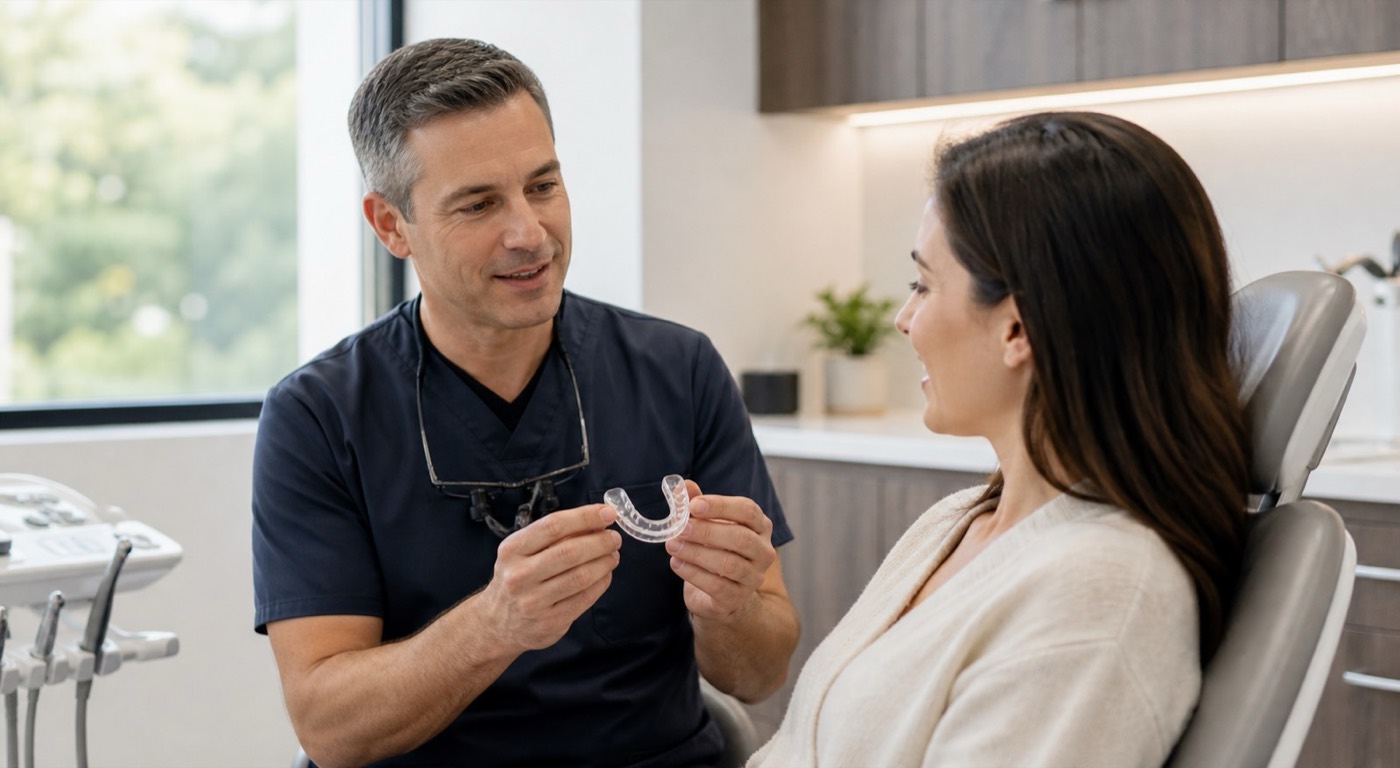
Waking up with a sore jaw, a headache that starts at your temples, or teeth that feel like they no longer meet properly is incredibly common. We help you identify the source of your pain and provide conservative therapy to get you comfortable again.
TMJ refers to the temporomandibular joint itself, which connects your lower jaw to your skull. TMD (Temporomandibular Disorder) is the broader term for conditions that affect those jaw joints, your chewing muscles, and the related structures. Because facial discomfort can have so many different causes, finding the right solution requires more than just pointing to where it hurts.
You should consider scheduling an evaluation with us if you experience:
| Service | How We Help |
|---|---|
| TMJ Evaluation & Therapy | We assess your jaw movement, muscle tenderness, and symptom history to build a conservative plan to relieve your pain. |
| Bite Analysis | We evaluate how your teeth contact when your mouth closes to identify uneven wear patterns or interfering restorations. |
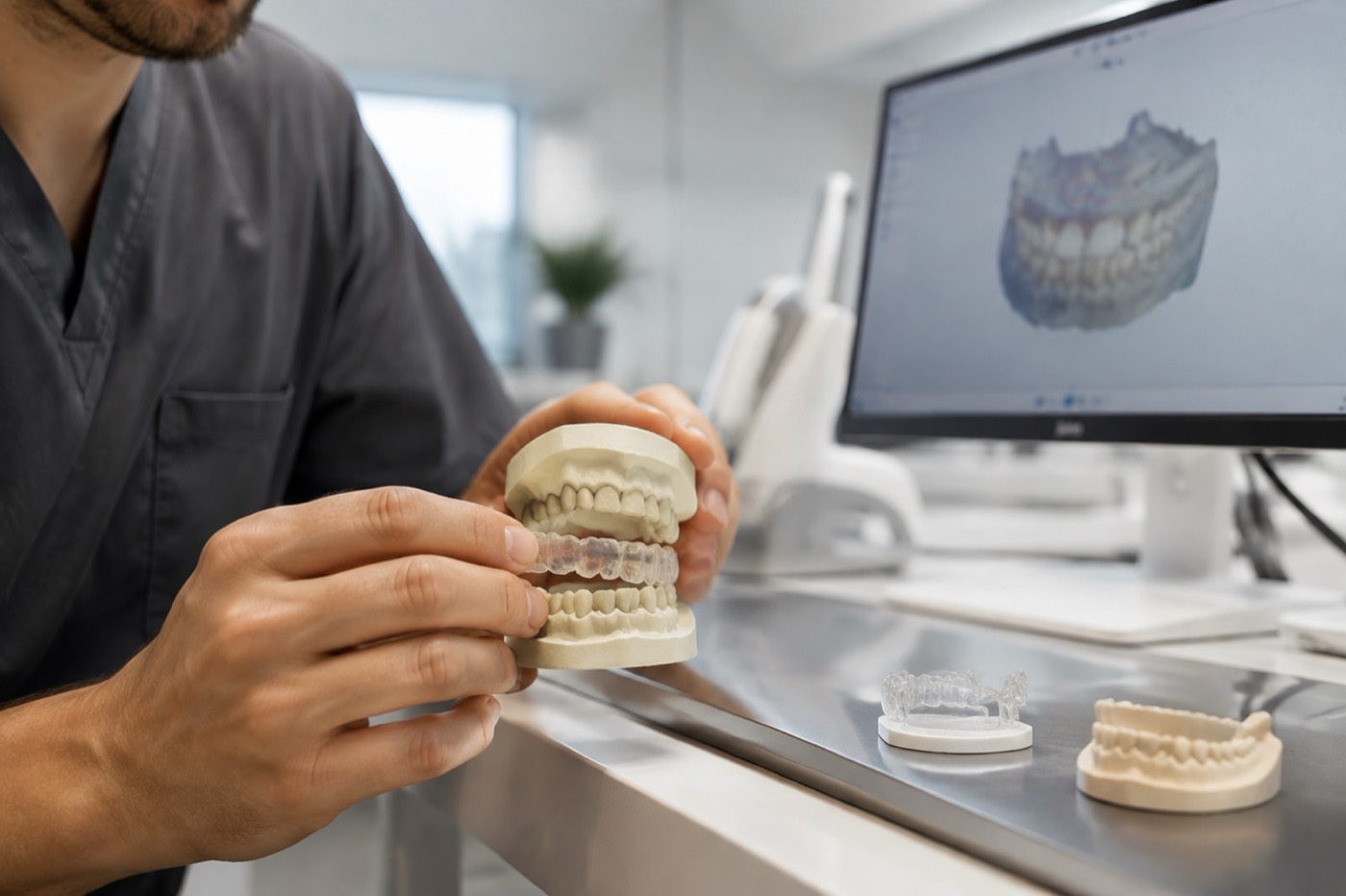
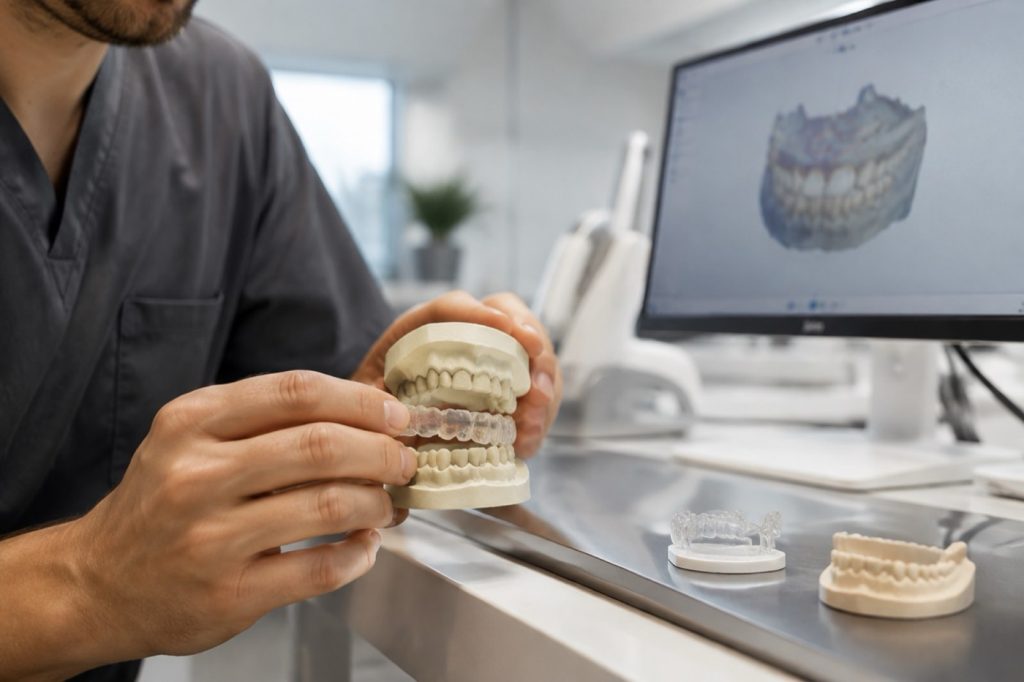
| Splint Therapy | We design a custom oral appliance to protect your teeth from the effects of grinding and relieve strain on your jaw muscles. |
| Occlusal Adjustments | We carefully modify a specific tooth surface or restoration to correct a documented interference in your bite. |
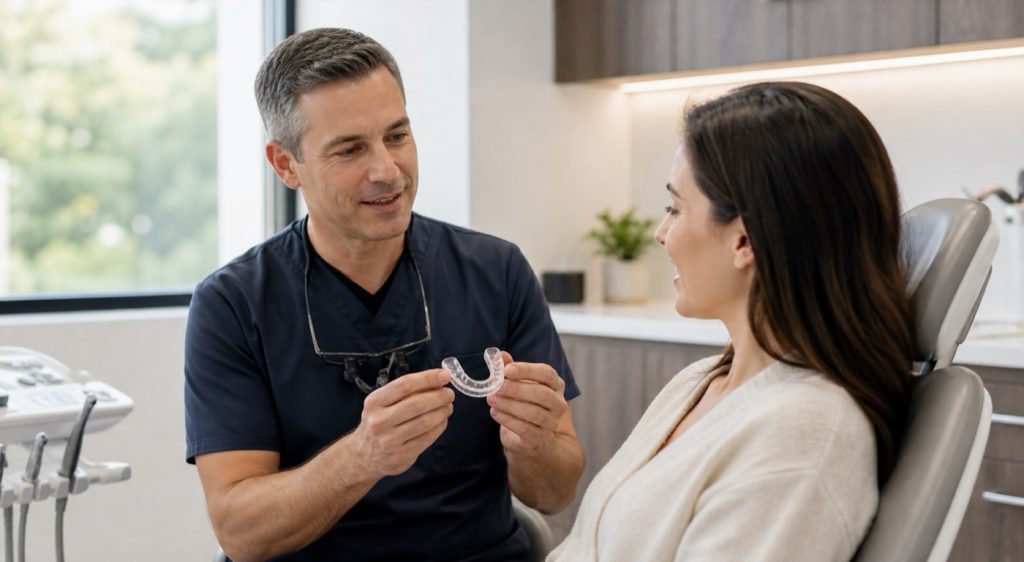
We sit down with you to discuss exactly when your symptoms began, where the pain is located, and any movements or habits that make it worse.
Dr. Hammoud physically evaluates your jaw joints and chewing muscles. We document your range of motion, any painful sounds, and restrictions in opening or closing.
We examine your teeth for wear, cracks, and signs of grinding. We also carefully evaluate how your upper and lower teeth contact when you bite down.
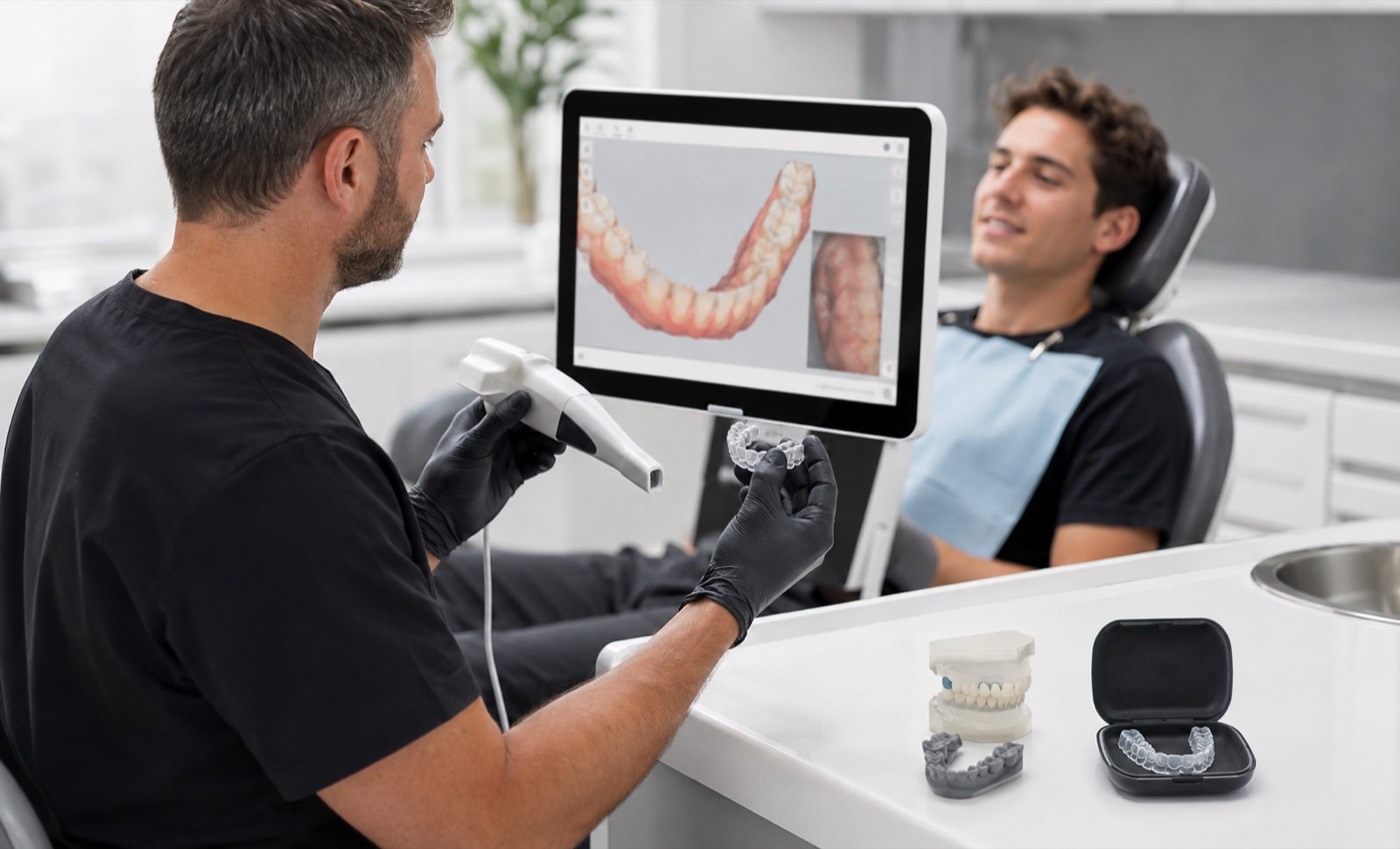
We use advanced digital imaging to get a clear look at your structures. Once we identify the problem, we walk you through the most conservative, reversible treatment options first.
At 313 Dental, we do not automatically assume your bite is causing your jaw pain, and we do not automatically treat a clicking joint if it is not hurting you. Dr. Hammoud rebuilt this Dearborn practice around advanced diagnostic technology including high-resolution CBCT 3D imaging so we never have to guess. We give preference to conservative, reversible treatments like splint therapy and habit changes first. Because procedures like occlusal adjustments permanently change your tooth structure, we only recommend them when there is a clear, documented dental reason. We will tell you exactly why a treatment is being recommended, how it works, and what the limitations are before we ever begin.
TMJ refers to the temporomandibular joint that connects your lower jaw to your skull. TMD refers to a group of conditions affecting the jaw joints, chewing muscles, and related structures.
Not necessarily. Clicking or popping without pain is actually very common and may not require treatment at all. However, you should have it evaluated if the sound is painful, your jaw locks, or your movement is limited.
On its own, probably not. Current evidence does not support a strong relationship between an uneven bite and TMD. While a bite analysis helps us evaluate tooth wear and damaged restorations, we do not automatically treat an uneven bite as the primary cause of your jaw pain.
On its own, probably not. A splint is not guaranteed to permanently eliminate TMD symptoms, and we will not promise you that it is a magic cure. Depending on its design, it helps protect your teeth from grinding and relieves muscle strain, but it is usually just one part of a conservative management plan.
No. An occlusal adjustment permanently changes part of your tooth or dental restoration. We do not use it as a routine fix for jaw pain or headaches. We only consider it once a specific, interfering contact has been clinically identified, and we will walk through the reasoning and limitations with you first.
Seek prompt evaluation if you experience sudden or severe jaw pain, an injury to the face, new swelling, or a jaw that locks and will not release. If you have chest pain, difficulty breathing, or numbness or weakness in your face, seek immediate medical care rather than a dental appointment.
If jaw discomfort, painful clicking, clenching, or changes in your bite are affecting your daily life, contact our Dearborn team for a comprehensive evaluation.
Reviewed by Dr. Mohammad Hammoud, DMD – 313 Dental, Dearborn, MI