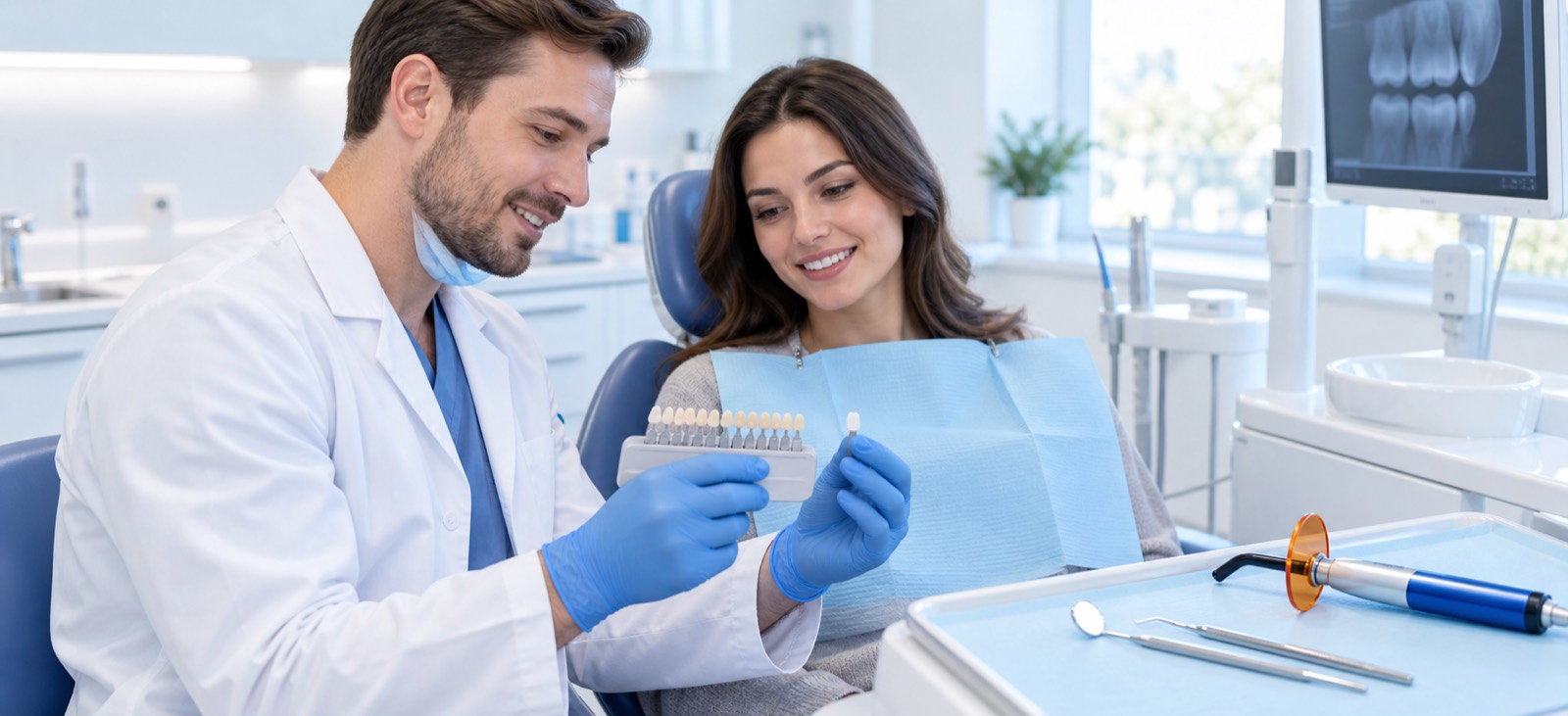
We repair damaged teeth, replace missing teeth, and rebuild your bite so you can eat comfortably and feel good about your smile.
Decay, cracks, and worn dental work can severely affect how comfortably you function. Because two teeth with similar symptoms often require completely different treatments, we evaluate your affected tooth, surrounding gums, and bite forces first. We help you address:

We use durable composite resin to repair cavities and minor fractures while closely matching your natural enamel.
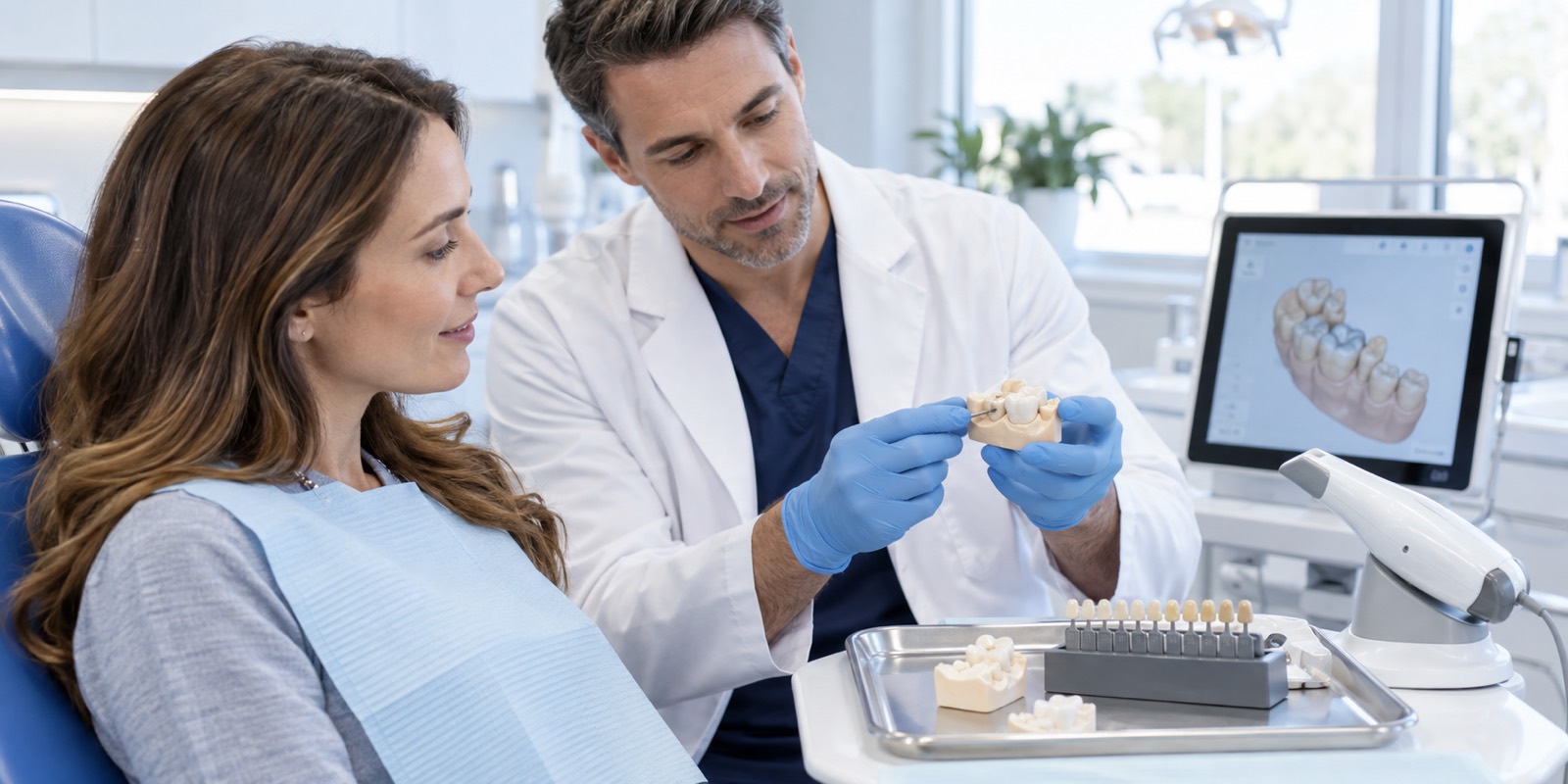
We place custom restorations to cover and support the damaged chewing surface when a full crown is not necessary.
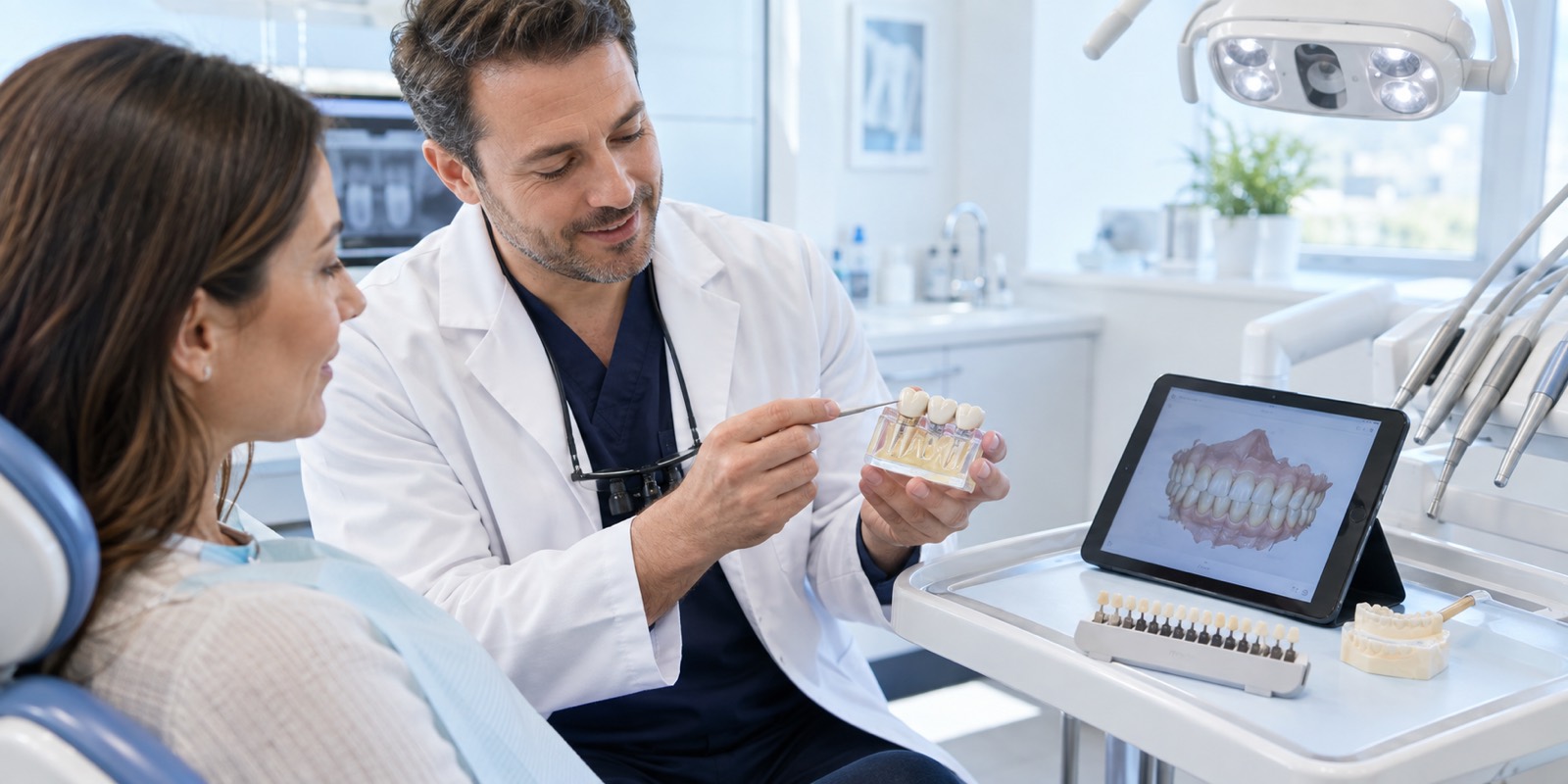
We replace missing teeth with a fixed, continuous restoration anchored securely to your neighboring natural teeth.
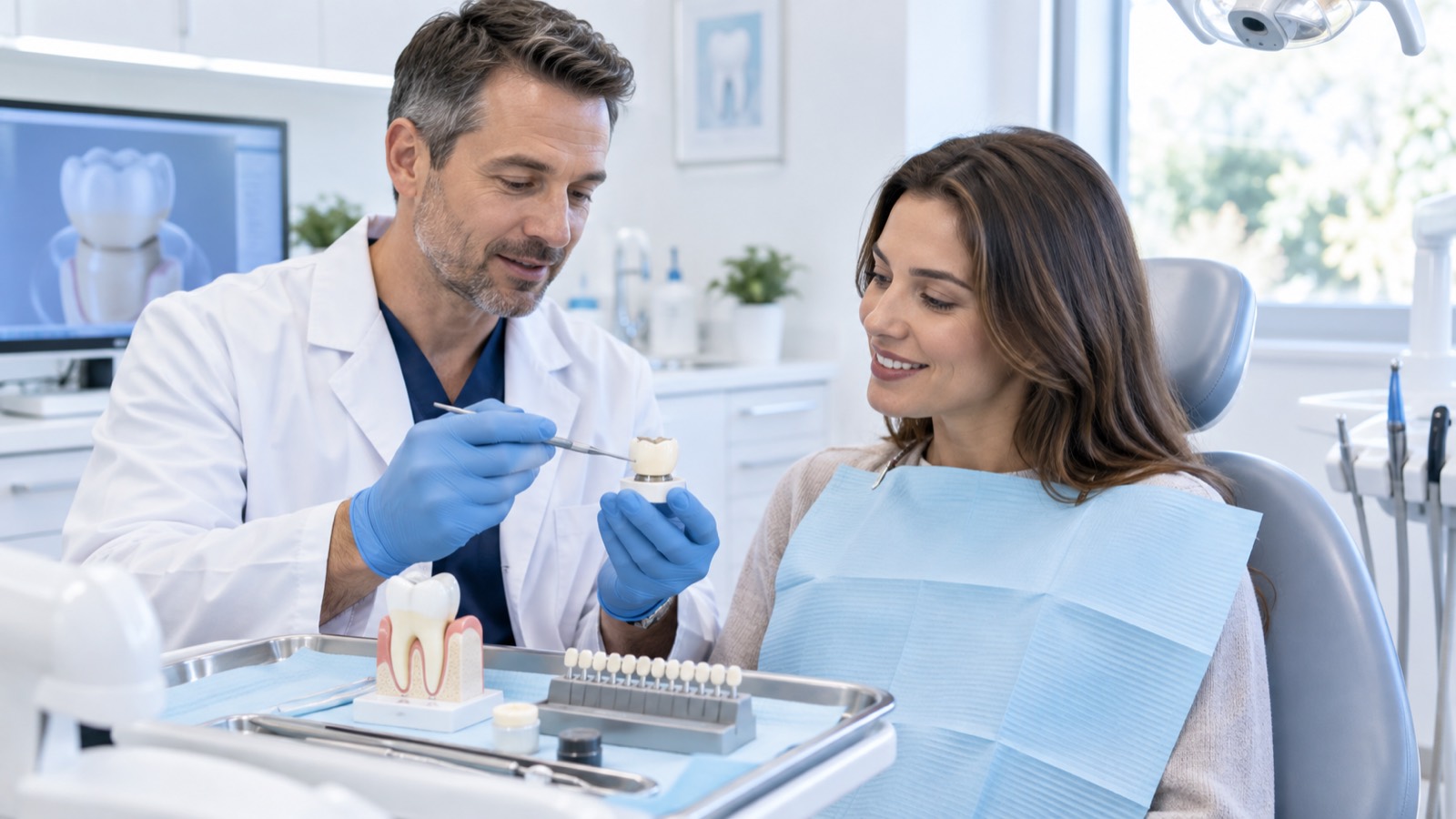
We rebuild the missing foundation of a severely damaged tooth so it can safely support a new dental crown.
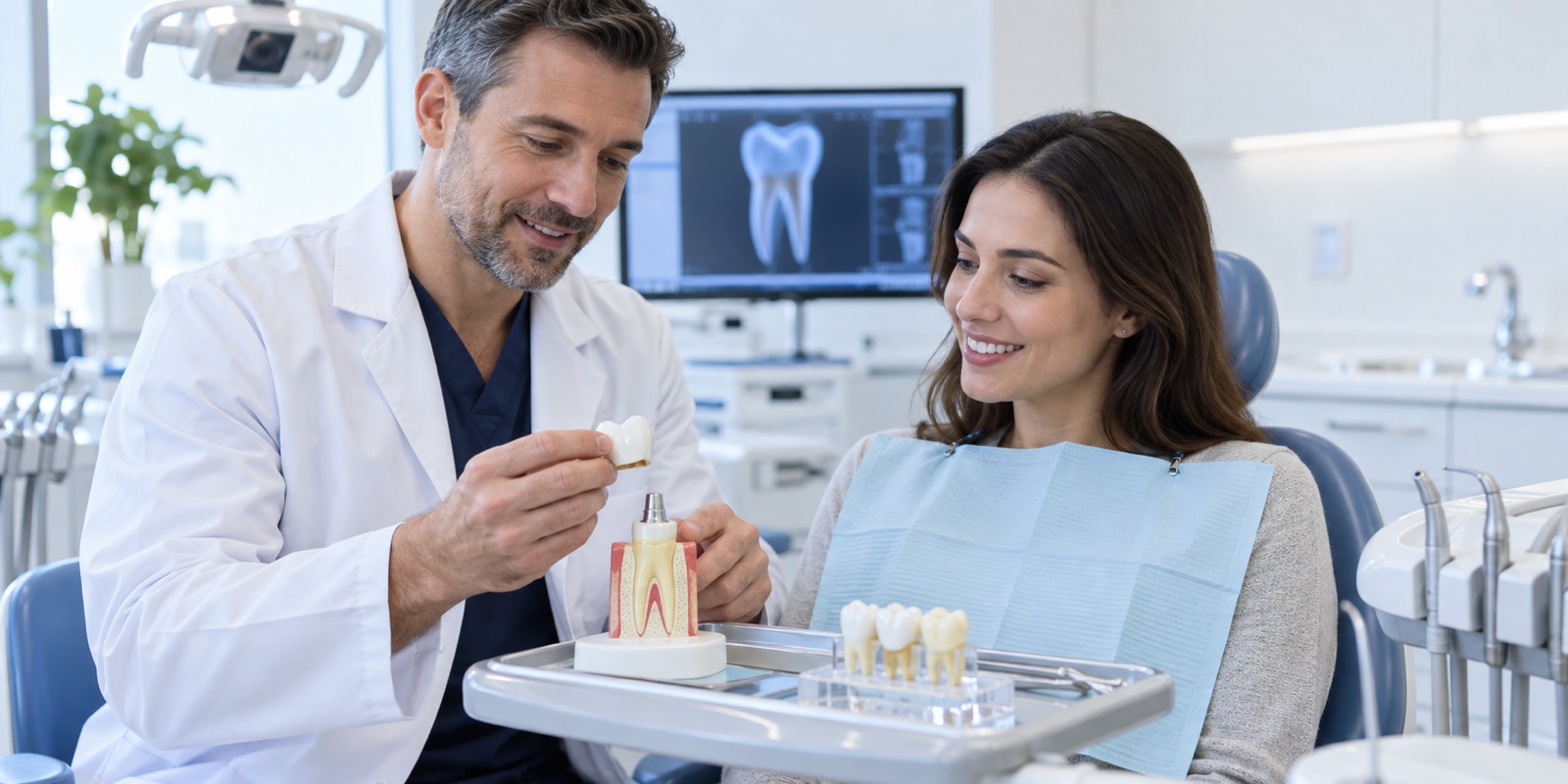
We anchor a specialized post inside a root canal-treated tooth to provide a highly stable foundation for a final restoration.
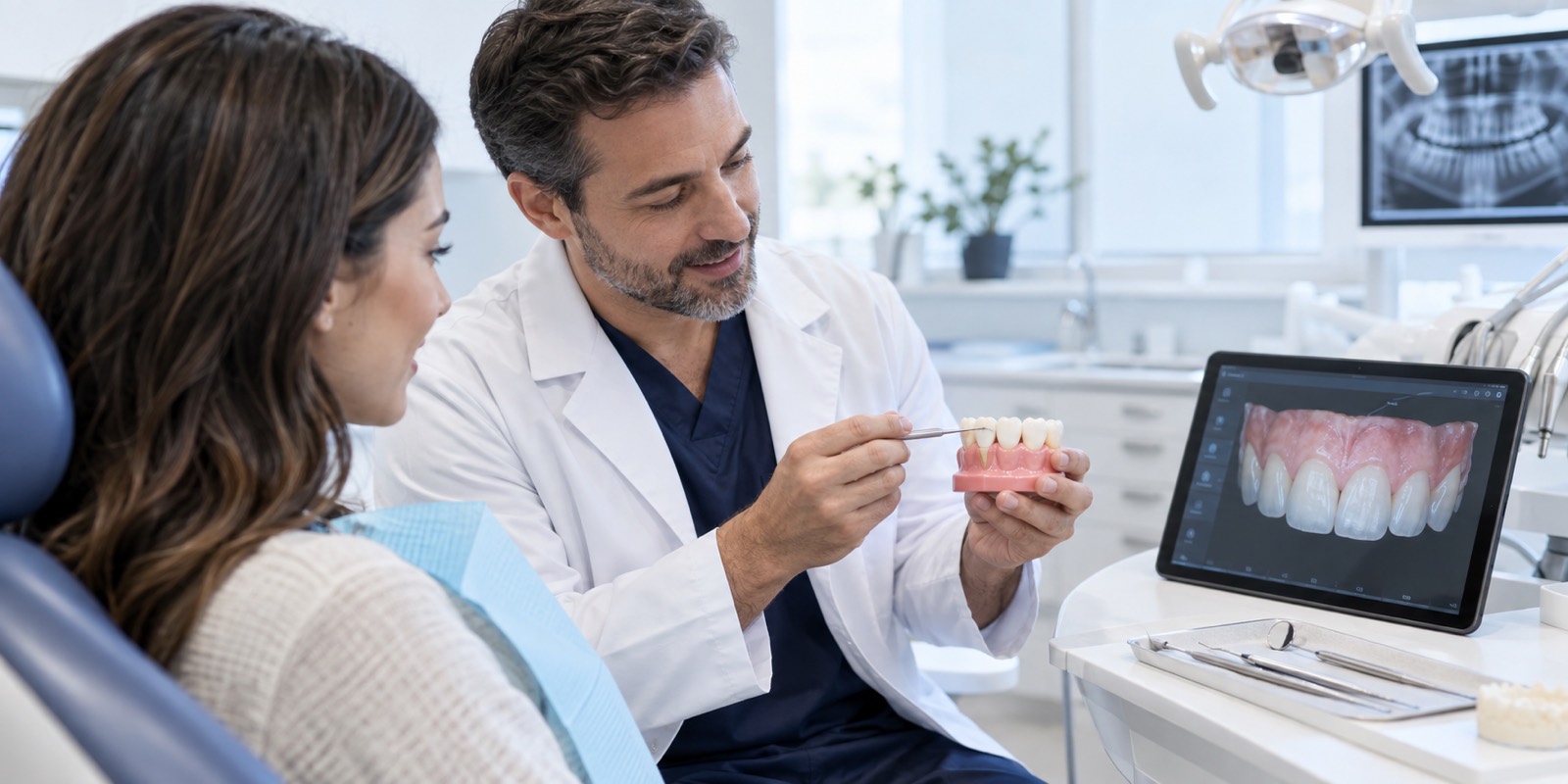
We gently reshape your gum tissue to expose more healthy tooth structure when decay extends below your gumline.
We examine your affected tooth, take digital X-rays to see beneath the surface, and evaluate your bite forces.
We clearly explain your available options and discuss how the treatments differ in preparation, function, and upkeep.
We gently remove the decay and prepare your tooth to place a direct filling or scan for a custom laboratory restoration.
We meticulously check the fit, contacts, and bite alignment of your new restoration before providing clear daily care instructions.
Restorative dentistry should address more than just the visible area of damage. When Dr. Mohammad Hammoud rebuilt 313 Dental, he fully modernized the practice with digital X-rays, 3D CBCT imaging, and intraoral scanners. By utilizing in-house 3D printing and digital impressions, we eliminate messy impression materials and significantly speed up your turnaround time. We prioritize clinical precision and never apply a generic approach to your oral health.
We recommend fillings for small repairs, onlays for larger damaged areas that do not require full coverage, and crowns for severely weakened teeth needing total structural reinforcement.
An onlay only covers the damaged portion of your chewing surface, while a crown covers the entire visible portion of your tooth above the gumline.
No. A fixed dental bridge is permanently cemented to your supporting natural teeth or dental implants, allowing you to brush and floss around it daily.
If a tooth breaks or decays below the gumline, crown lengthening gently lowers the tissue to expose enough healthy tooth to hold your new restoration securely.
We can complete a composite filling in one appointment, but custom-made laboratory restorations like bridges and onlays typically require two visits.
No. If a tooth is cracked too far below the gumline and cannot be predictably saved, we will explain this clearly and discuss your options for replacement.
If you have a decayed, cracked, weakened, or missing tooth, contact our Dearborn team for a comprehensive evaluation to get your smile back on track.
Reviewed by Dr. Mohammad Hammoud, DMD – 313 Dental, Dearborn, MI